
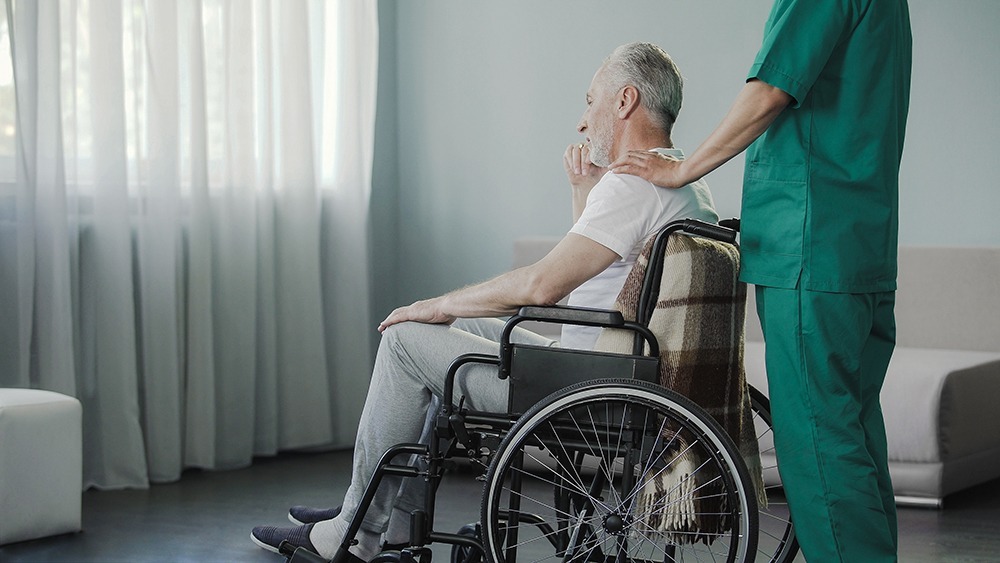
What Families Need to Know About Preventable Falls, Serious Injuries & Legal Responsibility
Share:
Falls are one of the leading causes of serious injuries in nursing homes — yet they’re also among the most preventable. When families entrust their loved ones to a long-term care facility, they expect safety, supervision, and dignity. Unfortunately, far too many nursing homes fall short, allowing avoidable accidents to happen because of understaffing, poor training, or simple neglect.
If your loved one suffered a fall in a nursing home, you may wonder:
Was it really an accident?
Or was it something much more concerning — a sign of negligence?
This guide breaks down how falls happen, why they’re so dangerous, and when a nursing home may be legally responsible for the harm caused.
Why Nursing Home Falls Are So Common — and So Dangerous
Falls are the number one cause of injury-related deaths among adults over 65. In nursing homes, residents are even more vulnerable because many struggle with mobility issues, dementia, muscle weakness, medication side effects, and balance problems.
But here’s the key point: Being vulnerable doesn’t mean falls are inevitable.
With proper care plans, adequate staffing, and consistent supervision, nursing homes can prevent the vast majority of falls. When they don’t, the results can be catastrophic:
- Hip fractures
- Head trauma or traumatic brain injuries
- Broken wrists, shoulders, or ribs
- Internal bleeding
- Long-term loss of mobility
- Emotional trauma and fear of walking
- Increased risk of death within months of the fall
In fact, studies show that a single fall in a nursing home can dramatically shorten a resident’s lifespan — which is why prevention is not optional. It is mandatory.
The #1 Cause of Falls: Negligence
Not all falls are signs of neglect — but many are. When facilities cut corners or fail to follow basic safety protocols, residents pay the price. Here are the most common ways nursing homes fail their residents:
1. Failure to Assess Fall Risks
Every resident must receive a fall-risk assessment upon admission and periodically afterward. Conditions that raise fall risk include:
- Dementia
- Muscle weakness
- Vision impairment
- Medication changes
- Prior fall history
- Use of walkers or canes
When nursing homes skip assessments, treat them as a formality, or never update a resident’s care plan, they’re setting the stage for preventable injuries.
Why this matters: A high-risk resident may require bed alarms, mobility assistance, lower bed height, or regular check-ins. Without this, a fall is not a surprise — it’s a consequence.
2. Understaffing and Inadequate Supervision
Understaffing is one of the biggest drivers of nursing home negligence nationwide. When facilities don’t maintain adequate staff levels, residents wait longer for help — sometimes attempting to walk alone even when they shouldn’t.
Imagine your loved one needing the bathroom. They press the call button. No one comes. After waiting too long, they try to stand up on their own. They fall. They suffer a broken hip.
Is that an “accident”? Or is it predictable neglect?
3. Unsafe Living Conditions
Poorly maintained or cluttered areas dramatically increase fall rates. Dangerous conditions include:
- Wet floors
- Loose handrails
- Poor lighting
- Uneven flooring
- Cluttered hallways
- Defective wheelchairs or walkers
Nursing homes have a legal duty to maintain a safe environment. If conditions contributed to a fall, the facility may be liable.
4. Medication Errors
Some medications — especially sedatives, painkillers, and psychotropics — increase fall risk by causing dizziness, confusion, or impaired coordination. When staff overmedicate or fail to monitor side effects, falls can happen easily.
This is especially common in understaffed homes that use medications as “chemical restraints.”
5. Lack of Proper Assistance
Many residents need help with:
- Getting out of bed
- Transferring to chairs
- Using the restroom
- Bathing or dressing
- Walking or repositioning
If staff skip steps, rush through tasks, or leave residents unattended, falls can follow. When a facility knows a resident requires assistance and fails to provide it, the injury is almost always a sign of negligence.
When a Nursing Home Fall Is a Red Flag
Not every fall is automatically neglect — but certain events strongly suggest wrongdoing. These include:
✔ Repeated falls
✔ Unexplained injuries
✔ Staff who can’t explain what happened
✔ No documentation of a fall-risk assessment
✔ No fall-prevention plan in place
✔ Delayed medical treatment
✔ Inconsistent stories from staff
✔ Falls occurring during shift changes
✔ Falls involving wandering or elopement
When a nursing home tries to shrug off a serious fall as “just one of those things,” families should question everything.
Legal Rights of Nursing Home Residents in Florida
Florida law gives nursing home residents important protections under the Residents’ Rights statute, which includes the right to:
- Live in a safe environment
- Be free from neglect and harm
- Receive proper supervision
- Obtain timely medical care
- Have individualized care plans
When a facility fails in these duties, and a resident is injured because of that failure, the nursing home can be held legally responsible through:
- A negligence lawsuit
- A nursing home abuse or neglect claim
- A wrongful death claim (in fatal cases)
Victims may recover compensation for:
- Medical expenses
- Pain and suffering
- Long-term care needs
- Disability or mobility loss
- Emotional distress
- Wrongful death damages
What Families Should Do After a Nursing Home Fall
If your loved one has fallen in a facility, taking immediate action can protect their health and strengthen your case:
- Seek immediate medical evaluation
- Demand a full incident report
- Document everything — injuries, environment, conditions
- Ask whether a fall-risk assessment was done
- Request to see the resident’s care plan
- Take photos of the area where the fall occurred
- Get statements from other residents or staff
- Contact an attorney experienced in nursing home cases
If the nursing home tries to downplay the event, avoid questions, or discourage you from seeking outside help, consider that a warning sign.
Final Thoughts: Falls in Nursing Homes Should Not Be “Normal”
Too often, nursing homes treat falls as unavoidable. But the truth is this: Falls don’t just happen. Falls happen when safety measures fail.
If your loved one was injured because a nursing home cut corners, didn’t supervise residents properly, or ignored known risks, you have every right to demand accountability — and justice.
Did Your Loved One Fall in a Nursing Home? It May Not Have Been an Accident.
Falls in nursing homes are often preventable — and if your loved one was injured, your family deserves answers. At DuFault Law, we investigate what really happened, identify whether negligence played a role, and fight for full compensation for victims and their families.
- Call us at (239) 422-6400
- Email us at contact@dufaultlaw.com
- Or Visit our Contact Page to schedule a consultation

Comments are closed